Subversive Fulfillment of Culture - Biblical Critical Theory | Christopher Watkin
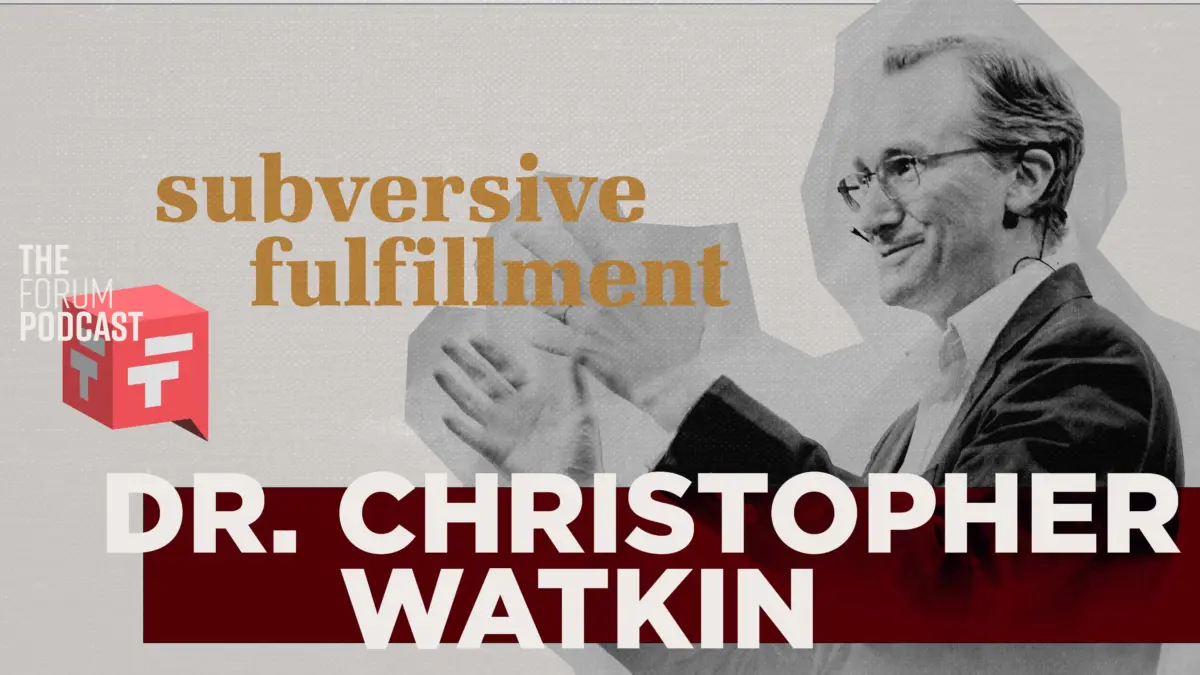
In this episode of the Forum Podcast, Dr. Daniel Daley, Assistant Professor of New Testament at Calvin Theological Seminary, sits down with Dr. Christopher Watkin, Professor of French and Francophone Studies at Monash University and author of Biblical Critical Theory, for a thoughtful conversation about faith, culture, philosophy, and politics.
Their discussion explores how Christians can engage the world around them with both conviction and humility. Drawing on years of work in French and German philosophy, Watkin reflects on how the biblical story offers a richer and larger framework than any rival cultural or political theory. The conversation also touches on literature, film, local community, and the need for Christians to preserve what Watkin calls a "gospel freedom of speech."
A Bigger Story for a Complex World
One of the central themes of the conversation is the power of the biblical story to make sense of modern life. Watkin returns often to the sweeping framework of creation, fall, redemption, and new creation, arguing that Scripture gives Christians more than isolated doctrines. It gives them a world-sized account of reality.
Rather than reacting defensively to contemporary thought, Watkin suggests that Christians can approach philosophy and culture with confidence, trusting that the Bible speaks more deeply and more comprehensively than the competing stories that shape public life.
Culture, Critique, and "Subversive Fulfillment"
A key idea in the interview is Watkin’s description of the gospel as both opposing and fulfilling the deepest longings of a culture. Reflecting on 1 Corinthians 1, he shows how Paul does not simply reject the values around him, nor does he simply affirm them. Instead, the gospel exposes their limits while also bringing them to their true fulfillment.
This approach, sometimes called "subversive fulfillment," offers a compelling model for Christian cultural engagement today. It allows believers to resist being absorbed by the world around them while still listening carefully, speaking thoughtfully, and recognizing the partial truths present in the culture.
Preserving Gospel Freedom of Speech
The conversation also turns to politics and public life. Watkin makes an important distinction between being politically committed and being politically owned. Christians, he argues, should care deeply about public life, especially about the well-being of their neighbors and the vulnerable. But they should resist becoming so identified with any party or platform that they lose the ability to speak critically when that platform conflicts with Scripture.
That is where "gospel freedom of speech" becomes essential. Christian witness requires enough distance from every political tribe to remain accountable first to the Word of God.
Why Local, Relational Engagement Matters
Another striking theme in the interview is the importance of local life. In a time when politics and culture are often experienced through social media and national controversy, Watkin emphasizes the value of face-to-face relationships, hospitality, and attention to the needs of actual communities.
That local focus is not a retreat from public witness. It is often where the most faithful and meaningful witness begins.
